
Gambling traditions Exploring diverse cultural perspectives around the world
Cultural Significance of Gambling
Gambling has been a part of human civilization for millennia, often weaving itself into the very fabric of cultural identities around the world. In many societies, gambling is not merely a pastime but a significant tradition that reflects social hierarchies, religious beliefs, and communal bonding. For instance, in ancient China, gambling was linked with fortune-telling and rituals, showing how deeply embedded it was in their societal practices. The interplay between gambling and culture offers fascinating insights into how communities view luck, chance, and even morality. Engaging with platforms like https://lizarocasinos.co.uk/ can provide more context on how online environments enhance these experiences.
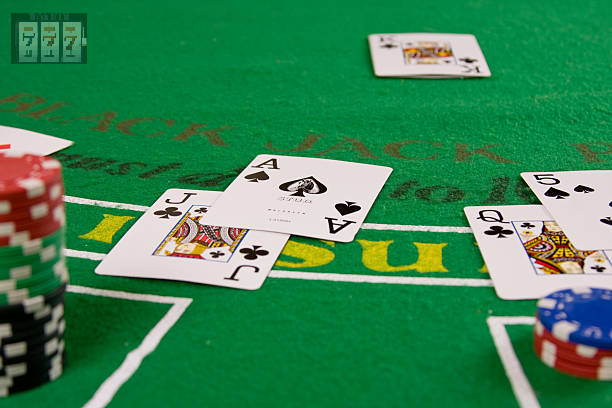
In Western societies, gambling has often been associated with entertainment and leisure, epitomized by the vibrant casino culture in Las Vegas and Monte Carlo. Here, gambling acts as a social lubricant, facilitating interactions among diverse groups. The glamour and excitement of these locations elevate the gambling experience to an art form, where the stakes are not just monetary but emotional and social as well. This cultural lens allows us to understand why certain forms of gambling thrive in particular regions while others fade into obscurity.
Conversely, in some cultures, gambling is viewed with skepticism, often associated with vice and moral decay. In places where religious beliefs are predominant, such as in many Middle Eastern nations, gambling can be seen as a taboo. This creates a dichotomy where the enjoyment of gambling exists alongside societal pushback. Such cultural perspectives underline the complexity of gambling traditions, revealing a rich tapestry of human behavior shaped by local customs, beliefs, and historical contexts.
Global Variations of Gambling Practices
While the essence of gambling may be universal, its practices vary significantly across different cultures. In Japan, for example, Pachinko machines blend elements of gambling with entertainment, creating a unique gaming culture that attracts millions. This form of gambling is not just about winning money; it incorporates themes of skill, strategy, and social interaction, making it a complex cultural phenomenon. Such unique variations highlight how local preferences shape gambling practices, creating distinct experiences that reflect the society in which they exist.
In contrast, traditional Indian gambling often revolves around card games like Teen Patti, which play a critical role in social gatherings and festivals. Here, gambling is infused with cultural significance, serving as a means of socialization and celebration rather than a purely financial endeavor. Festivals like Diwali amplify these traditions, making gambling a communal activity filled with joy and shared experiences. The cultural context transforms the act of gambling into a celebration of identity and togetherness.
The landscape of gambling also varies greatly in Africa, where indigenous games such as Morabaraba and Damii foster social bonding and community engagement. These games often embody strategic thinking and cultural storytelling, representing more than mere wagering. They serve as a means to pass down traditions, values, and life lessons. These diverse practices show how gambling can adapt to fit the needs and preferences of various cultures, offering a lens through which we can explore human interaction and community bonding.
The Role of Technology in Gambling Traditions
The advent of technology has dramatically transformed gambling traditions across the globe. Online platforms have made gambling more accessible, allowing users to partake in various games from the comfort of their homes. This shift has resulted in the emergence of new subcultures surrounding online gambling, where virtual communities share strategies, experiences, and camaraderie. Such technological advancements have led to a more democratized form of gambling, breaking down geographical barriers and creating a global audience.
Moreover, mobile applications have popularized gambling among younger generations, making it an integral part of digital culture. These platforms often incorporate gamification elements, enhancing user engagement and creating a more interactive experience. This development reflects a broader trend in which traditional gambling practices adapt to modern lifestyles, merging elements of social gaming with traditional betting. Thus, technology serves not only as a facilitator but also as a catalyst for evolving cultural narratives around gambling.
In many regions, however, this technological shift raises concerns about addiction and responsible gambling. Governments and organizations are increasingly focusing on regulations to protect consumers, ensuring a balance between innovation and safety. These measures reflect cultural attitudes towards gambling and the responsibility that comes with it. The integration of technology into gambling traditions showcases a complex interplay between modernity and cultural heritage, prompting discussions on the future of gambling practices worldwide.
Social Impact of Gambling on Communities
The social impact of gambling traditions can be both positive and negative, influencing communities in various ways. On one hand, gambling establishments, such as casinos and betting shops, can stimulate local economies by creating jobs and attracting tourism. For instance, cities that host major casinos often witness a surge in hospitality services, retail, and entertainment options, fostering an environment of economic growth. This economic boost provides local communities with resources to fund infrastructure and community programs, ultimately enhancing the quality of life.
On the other hand, the consequences of gambling can have detrimental effects on individuals and families, leading to issues such as addiction and financial distress. In societies where gambling is prevalent, there is often a stark contrast between its perceived benefits and the social challenges it introduces. Support groups and initiatives aimed at addressing gambling addiction exemplify the complexities involved, emphasizing the need for a balanced approach that respects cultural traditions while also safeguarding community welfare.
Moreover, the stigma surrounding gambling, particularly in regions where it is viewed negatively, can further complicate its social implications. Individuals struggling with addiction may face isolation and shame, deterring them from seeking help. Addressing these issues requires a cultural shift in understanding gambling, focusing on education, community support, and responsible gaming. This highlights the need for a comprehensive approach that takes into account the diverse perspectives and experiences surrounding gambling within various communities.

Lizaro Casino: Bridging Cultures Through Gaming
Lizaro Casino stands out as a premier online gaming platform that embraces the rich tapestry of gambling traditions from around the world. Offering an extensive selection of over 10,000 games, including slots, table games, and live dealer experiences, it caters to a diverse audience. The platform not only prioritizes user experience but also acknowledges the cultural significance of gambling, providing players with a safe and engaging environment to explore their preferences.
The generous welcome bonus of 250% up to €3,000 plus 350 free spins reflects Lizaro Casino’s commitment to attracting both new and returning players. This approach underscores the universal appeal of gambling while maintaining a focus on user satisfaction. By offering a variety of promotions and fast transactions, Lizaro Casino enhances the overall gaming experience, welcoming players from different backgrounds to immerse themselves in the excitement of online gambling.
As a culturally inclusive platform, Lizaro Casino exemplifies how modern gaming can bridge gaps between diverse traditions. By facilitating interactions among players worldwide, it fosters a sense of community, where individuals can share their unique perspectives on gambling. This global approach not only enriches the user experience but also contributes to a broader understanding of gambling as a multifaceted cultural practice.